Overview
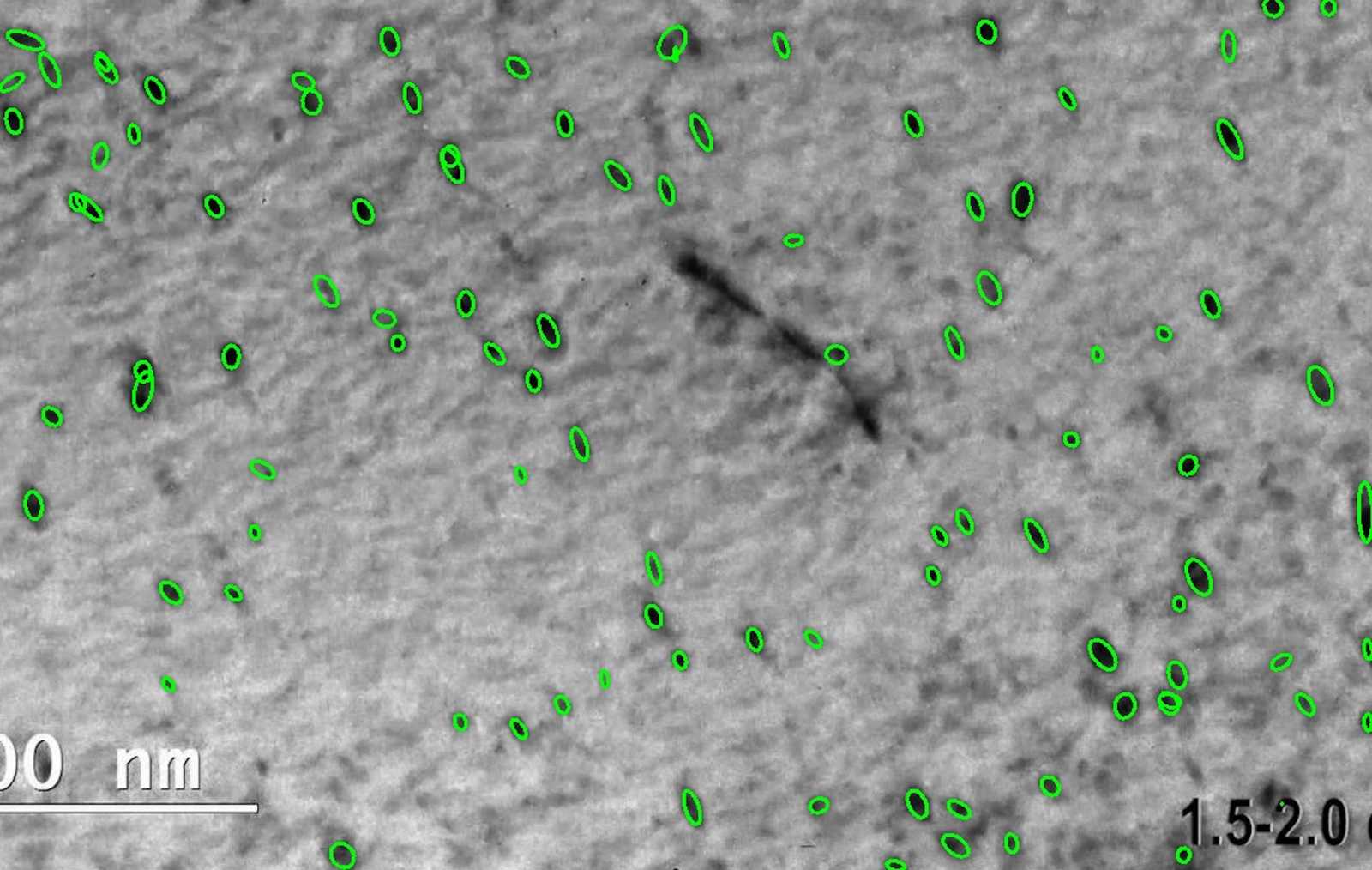
I worked on an automatic defect analysis framework for in-situ Transmission Electron Microscopy videos. The system used deep learning to detect and track defects in FeCrAl alloy microstructures, reducing the manual effort required for scientific video analysis.
My Role
I contributed to the machine-learning analysis workflow, including defect detection, tracking, evaluation, and research implementation support using Python and MATLAB.
Key Features
- YOLOv3-based defect detection
- TEM video analysis
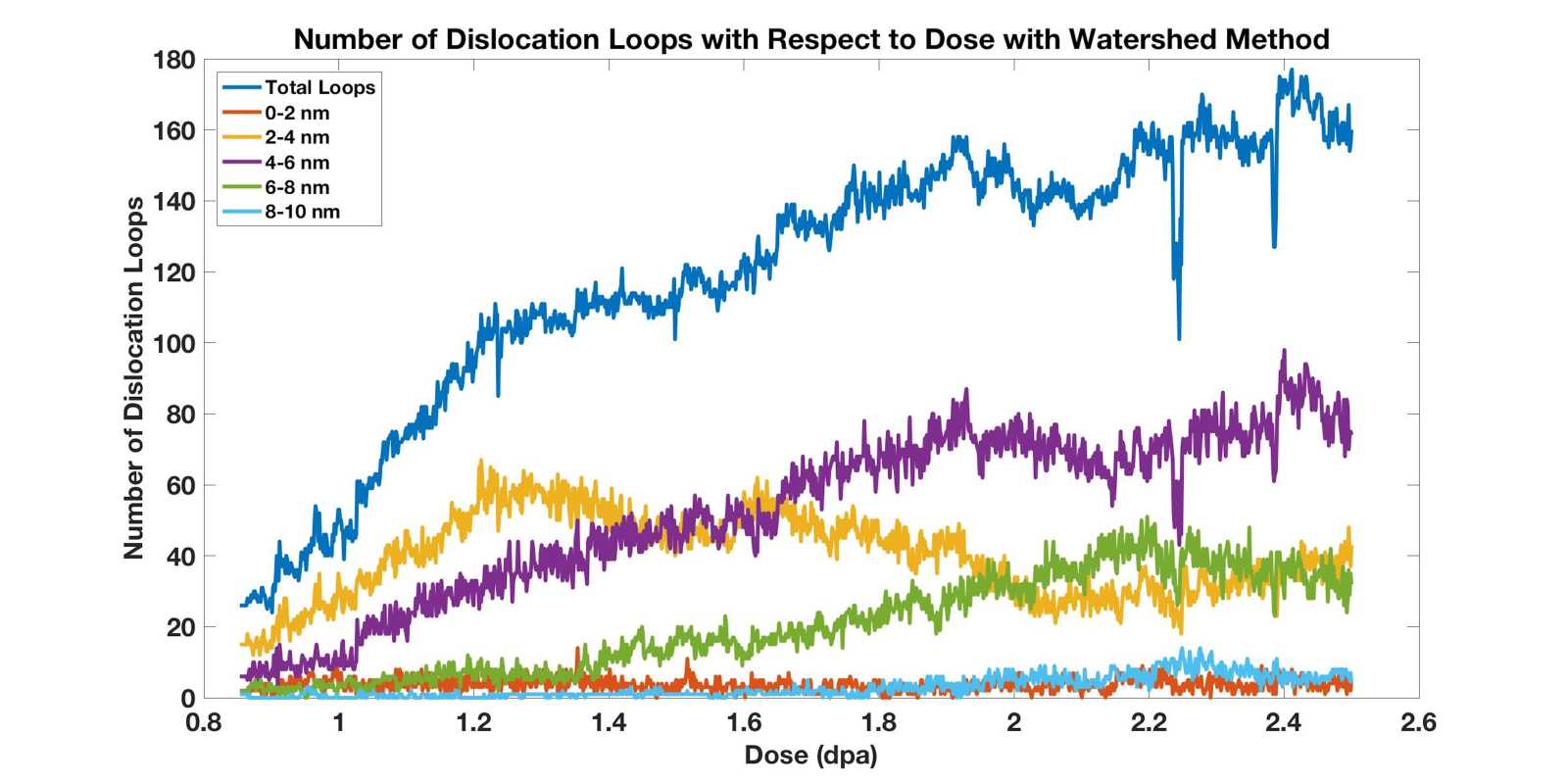
- Defect tracking over time
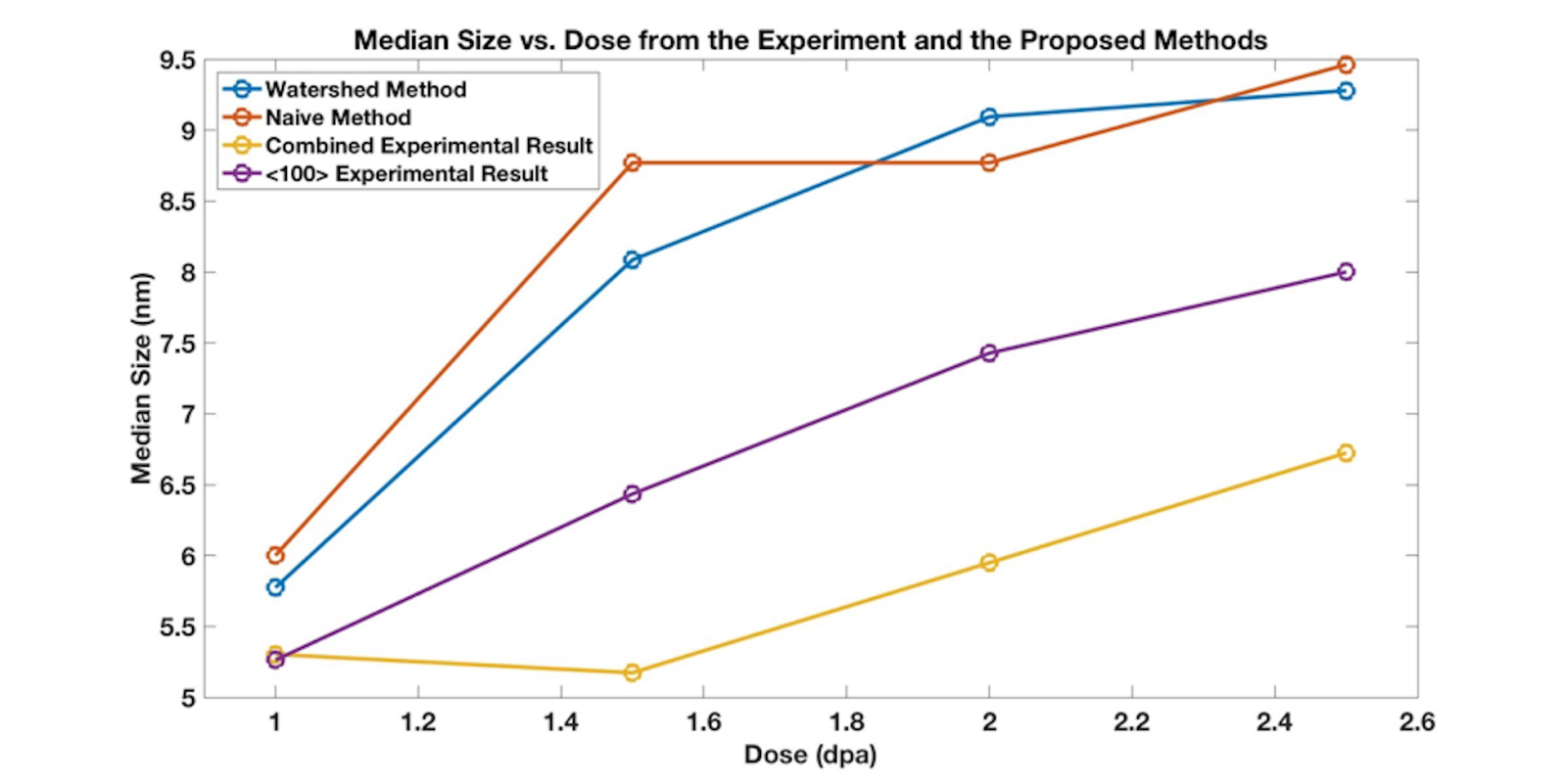
- Geometric analysis of microstructural changes
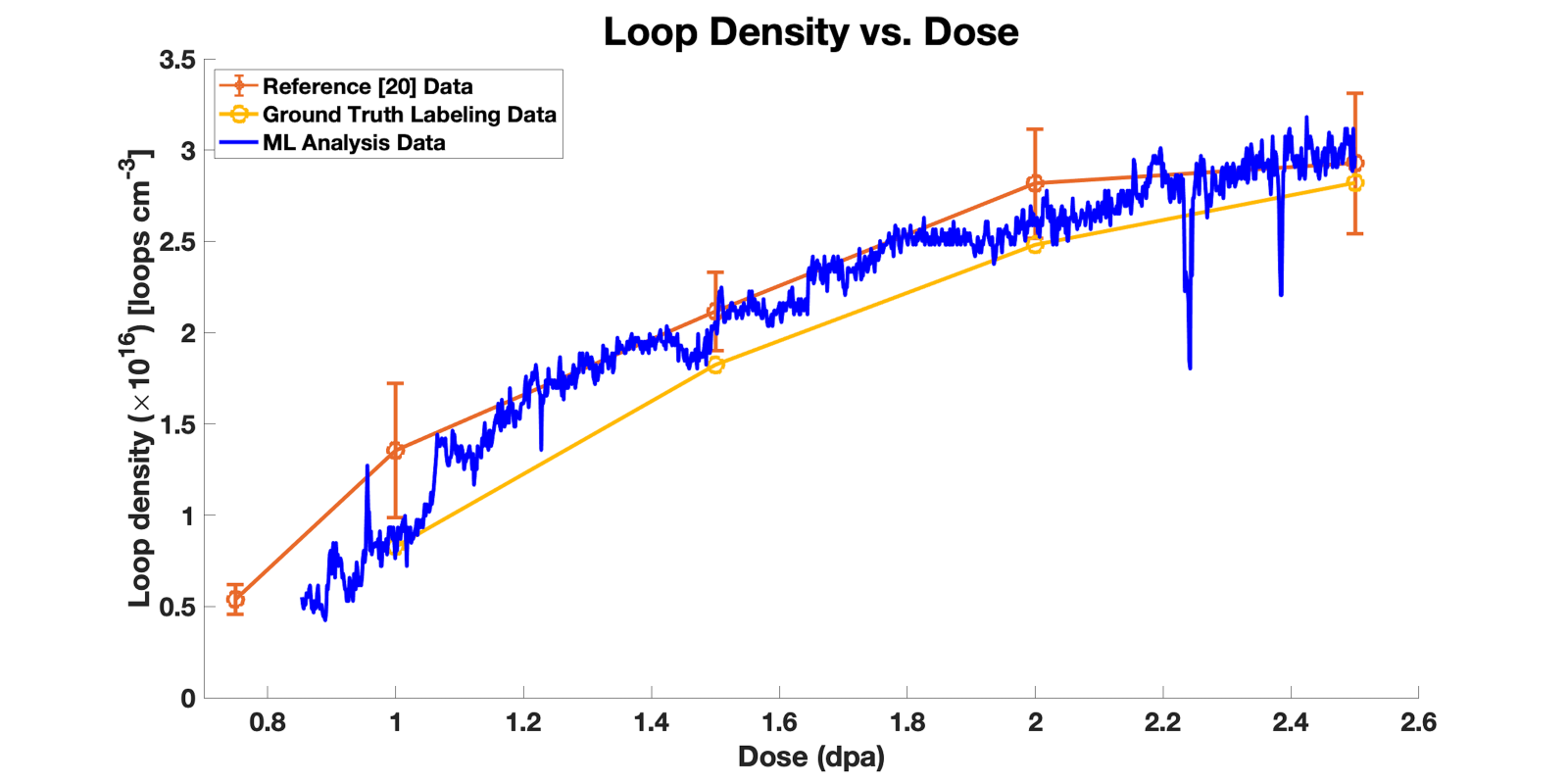
- Quantitative evaluation against human analysis
- F1 score of 0.95 on the evaluated dataset
- Research-focused pipeline for materials science
Technical Highlights
The project combined object detection, video tracking, and domain-specific scientific analysis. Beyond detecting defects in individual frames, the system tracked how those defects evolved over time, enabling more detailed measurement of microstructural dynamics.
Outcome
The work showed that deep learning can support TEM video analysis with high accuracy and low latency, opening the door to faster and more scalable materials research workflows.